What Tracqueur Actually Means and How Modern Location Trackers Work
Tracqueur is not a mysterious tech billionaire, a secret government satellite, or an artificial intelligence generator for video game helicopters, despite what several automated websites claimed this month. It is a popular online spelling variation of the French word traqueur, which translates to tracker or hunter. Across English search engines in late 2026, the term has become a catchall label for GPS vehicle trackers, Bluetooth item finders, and stolen car recovery systems.
If you searched for the word recently and landed on five contradictory pages, you are not alone. A wave of consumer tech articles published over the past 24 hours, including fresh breakdowns from Digital Newz and Fox Newss, has tried to capitalize on rising search traffic around the keyword. Many of those posts focus heavily on European privacy regulations or repeat vague dictionary filler. For everyday buyers in the United States, understanding what lies behind the spelling helps you separate real security hardware from internet noise.
Why Tracqueur Confuses So Many Readers Online
Part of the confusion starts with French spelling and how search habits distort foreign words. According to the Collins French English Dictionary, a traqueur is literally someone who tracks or pursues game, and in everyday speech it also describes a person who gets nervous or suffers from stage fright. When French speakers talk about an electronic GPS device or a parkour athlete, they usually use a slightly different word, traceur. Somewhere along the way, online writers and shoppers blended the English word track with the French ending, creating the hybrid spelling tracqueur.
There is also a real company behind the name that adds to the mixup. In April 1997, an automotive security firm named Traqueur launched in Saint Cloud, France, specializing in stolen vehicle recovery. After Coyote System acquired a majority stake in the business in 2018, its patented radio frequency technology became the backbone of Coyote Secure, a European theft recovery service that reports a 91 percent recovery rate within 48 hours. Because that system pairs hidden transmitters with field recovery teams, it can pinpoint stolen cars inside underground parking garages and metal shipping containers where standard satellite signals fail.
At the same time, low quality content farms have muddied the waters. Earlier in November 2026, a fact check from NewsHeadline noted that readers were searching for Tracqueur as if it were a public figure or celebrity brand. Meanwhile, other questionable blogs invented stories claiming Tracqueur is an AI tool for building attack helicopters in shooter games. Neither claim holds up. When real shoppers and tech guides use the word today, they are talking about personal and commercial location tracking devices.
How Modern Tracking Devices Actually Pinpoint Location
Once you look past the spelling, every device sold under the broader tracker umbrella relies on one of two main technologies. Knowing which system sits inside the plastic shell tells you almost everything about how well it will perform when something goes missing.
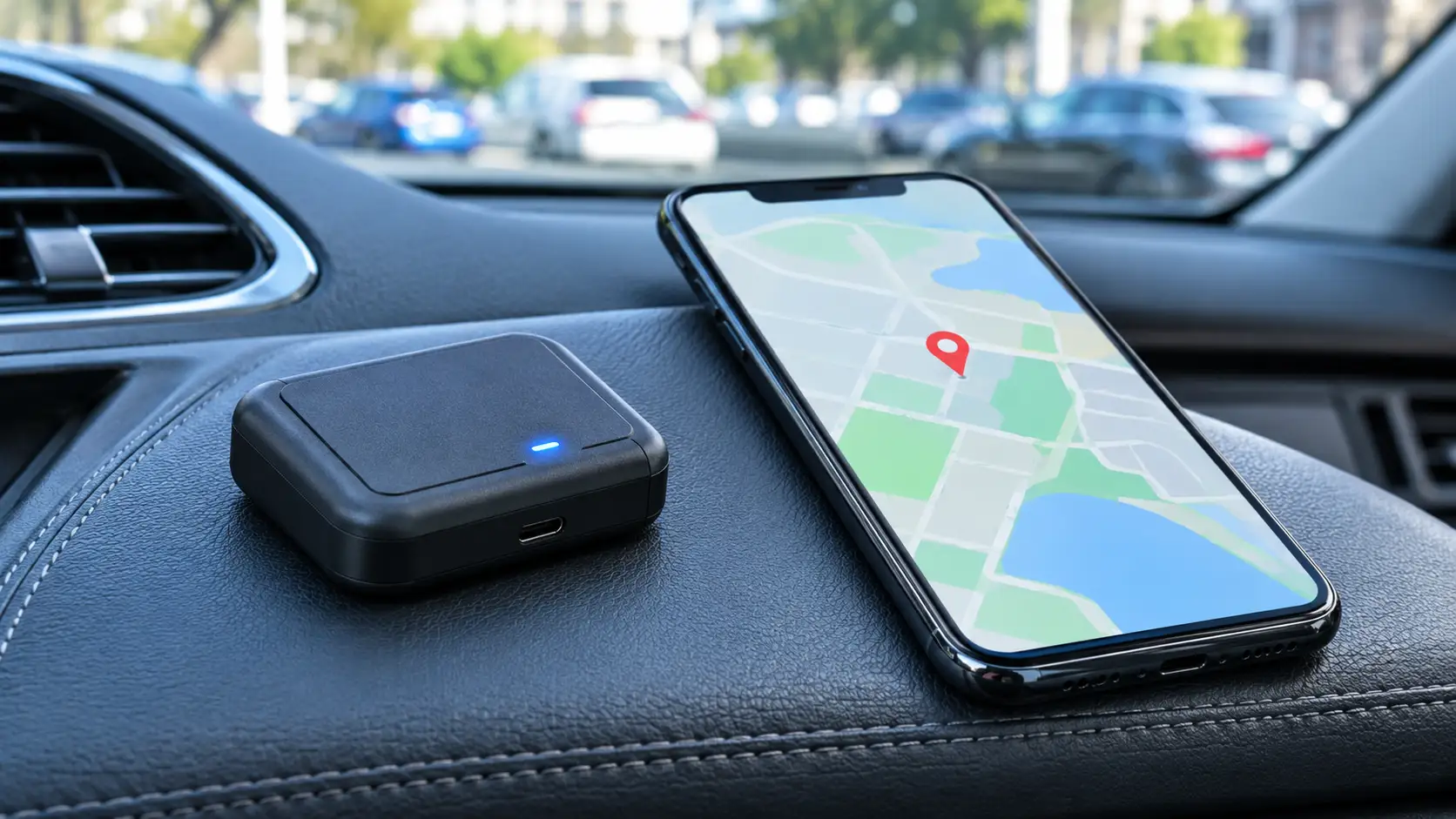
The first category is the true cellular GPS tracker. Inside the housing, a satellite receiver listens to timing signals from orbiting GPS satellites to calculate latitude and longitude within roughly 10 to 16 feet under open sky. Because satellites only broadcast one way, the device also needs an embedded SIM card to transmit those coordinates over 4G or LTE M cellular networks to a cloud server and onto your phone. These units work independently anywhere there is cell service, even if your stolen truck is 400 miles away. The tradeoff is an ongoing monthly or annual cellular data fee and a battery that usually needs recharging every few weeks unless the unit is hardwired to a vehicle battery.
The second category is the crowd sourced Bluetooth finder, led by products like the Apple AirTag, Samsung Galaxy SmartTag 2, and Pebblebee Clip. These coin sized tags contain no GPS chip and no cellular modem. Instead, they emit a low energy Bluetooth ping every couple of seconds. When a stranger’s iPhone or Android handset walks within roughly 100 feet, that phone silently picks up the signal and relays the tag’s location to the owner in the background.
Bluetooth tags cost around $25 to $35 upfront, require zero monthly fees, and run for a year on a replaceable coin battery. However, if a thief dumps your bag in a rural field or locks a motorcycle inside an isolated barn with no passersby, the tag goes dark.
A noticeable hardware shift in 2026 is the rise of LTE M cellular trackers. LTE M is a low power cellular standard built specifically for connected sensors. It sips far less power than a traditional 4G phone modem, allowing compact battery powered trackers to run for several months on a single charge while keeping true independent cellular reporting.
| Tracker Type | How It Finds Position | Recurring Cost | Best Real World Fit |
| Cellular GPS (LTE M or 4G) | Satellites plus built in cellular SIM | $10 to $25 per month | Cars, trailers, boats, and high value equipment |
| Bluetooth Crowd Tag | Nearby smartphones relaying Bluetooth pings | Free after purchase | Keys, backpacks, checked luggage, and wallets |
| OBD Port Vehicle Unit | Car diagnostic port power plus GPS and cellular | $8 to $20 per month | Teen driver monitoring and small business vans |
| Hybrid VHF and GPS System | Satellite positioning plus ground radio beacon | Annual security plan | High end vehicles stored in underground garages |
Practical Buying Details Most First Time Buyers Miss
Shopping for a tracker online can feel frustrating because packaging often blurs the line between a $25 Bluetooth tag and a $120 cellular GPS unit. Before entering your credit card details, check four practical details that experienced owners look for first.
-
Look closely at year two subscription pricing before buying cheap hardware. Many budget GPS trackers sell for under $20 upfront because the manufacturer makes its profit on recurring SIM plans. Always read the fine print to see whether basic features like location history or instant theft alerts require a higher tier subscription.
-
Prioritize instant movement alerts and geofencing over live map animations. A geofence lets you draw a virtual boundary around your driveway, storage yard, or job site. If a trailer moves at 3 in the morning, a push notification waking you up immediately gives police a real chance at recovery, whereas checking a map the next afternoon usually means the trail is cold.
-
Match the weather seal to the mounting spot. A tracker tucked inside a glovebox needs very little protection, while a magnetic unit mounted under a chassis or inside a boat hull faces road salt, mud, and pressure washers. Look for an IP65 rating for rain and splashes, or IP67 if the device could ever be briefly submerged.
-
Avoid relying solely on an obvious OBD port plug for theft protection. Diagnostic port trackers install in five seconds under the steering column, which makes them great for tracking mileage and business routes. Experienced car thieves know that exact spot, though, and will yank an OBD unit out within ten seconds of breaking a window. If theft recovery is your main goal, hide a self contained battery or hardwired tracker deep behind a trim panel.
US Privacy Rules and Anti Stalking Protections in 2026
Recent European guides emphasize France’s June 2026 data protection rules, which classify vehicle location logs as highly personal data. Readers in the United States operate under a different legal framework, though the core rule of thumb is remarkably similar: you can track your own property, not other people without their knowledge.
Across the United States, placing a GPS tracker on a vehicle, trailer, or piece of equipment that you solely own is legal in all 50 states. Parents and legal guardians also have clear legal standing to monitor minor children and family cars they own. Employers can generally track company owned fleet vehicles during work hours, though states like New York, New Jersey, Connecticut, and Delaware require written notice to workers first.
Slipping a tracker into someone else’s car, purse, or jacket without consent crosses straight into criminal territory. State statutes such as California Penal Code 637.7, Texas Penal Code 16.06, and New York’s stalking laws make unauthorized electronic tracking a criminal offense punishable by fines, jail time, and civil lawsuits. Even if you are married, secretly tracking a spouse’s personally owned vehicle can trigger prosecution under state anti stalking statutes.
On the hardware side, smartphone makers have built strong defenses against covert Bluetooth tracking. Under the joint unwanted tracker standard developed by Apple and Google, modern iPhones and Android phones automatically scan for unfamiliar Bluetooth tags moving alongside you. As outlined in recent 2026 safety documentation from StepSafe, your phone will pop up an alert if an unknown tag travels with you away from its owner, letting you trigger a loud chime on the tag and follow step by step instructions to remove its battery.
You should also secure your own tracker app account with a strong password and two factor authentication, because anyone who compromises that login can view a complete map of where you live, work, and park every day.
Choosing the right tracker does not require decoding French spelling quirks or falling for recycled internet rumors. Decide first whether you need independent cellular range when your phone is miles away, verify the true annual cost of the SIM plan, and install the hardware responsibly on property you own. When matched to the right job, a reliable tracker remains one of the simplest ways to protect high value gear and recover what matters if it ever disappears.
What do you feel about this post?

Like

Love

Happy

Haha

Sad

Angry

I am an independent writer and digital researcher tracking everyday trends, tech shifts, and modern culture across the US. I focus on cutting through internet noise to bring you crisp, honest stories and practical takeaways you can actually use.