What Is Babeltee and Why Is Everyone Suddenly Searching for It?
Babeltee is not a registered beverage brand, a national café chain, or an official recipe with a single inventor. Instead, it is an emerging internet term that has split into two completely different meanings online, most commonly describing customizable fruit and herb iced teas, while occasionally appearing on casual clothing blogs and unverified storefronts.
If you typed the word into a search engine recently, you probably noticed that almost no two websites agree on what it actually is. One page describes it as a healthy, antioxidant packed fusion drink. Another calls it a European spelling mistake for bubble tea. A third claims it is a minimalist graphic shirt label.
That confusion reached a new peak in mid November 2026. On November 13, 2026, a detailed breakdown from Yippo Labs on the meaning of babeltee pointed out that recipes tied to the keyword contradict one another across the web, ranging from iced peach green tea to spiced milk blends. Just weeks earlier, on October 24, 2026, food writers at Urban Scope News reached a similar conclusion, noting that while people certainly make and share drinks under the name, no standardized formula or verified culinary history exists behind it.
Why Search Results Disagree on What Babeltee Means
To understand why the internet feels so divided over a single eight letter word, it helps to look at how modern search trends form. When an unusual term starts popping up in social media captions, autocomplete bars, or overseas menus, dozens of lifestyle websites rush to publish explainer articles to capture the curiosity.
Because there is no central company or historical archive defining babeltee, writers fill in the blanks from different angles. Food bloggers treat it as an open ended canvas for homemade fruit infusions. Consumer research sites treat it like an unfamiliar digital storefront that needs to be vetted before you pull out your wallet. As Picanto Magazine noted in its overview of the term, the word currently functions far more like a flexible online concept than a formal product category.
For everyday readers in the United States, that distinction matters. Knowing that no single corporation owns the label saves you from wasting time hunting for an official flagship store that does not exist, while helping you focus on the actual drink style people are talking about.
The Three Real Origins Behind the Word
Even without an official founder, the rise of babeltee is not random. Looking closely at how the word is used across food forums, European menus, and fashion blogs reveals three distinct roots that collided online.
First is a simple phonetic overlap with bubble tea. In Dutch and German, the English word bubble is frequently spoken or spelled phonetically as babel, and the word for tea is tee. Someone in Amsterdam or Berlin typing out the name of a local boba shop from memory can easily end up searching for babeltee. Over time, those searches bled into English language search engines, creating curiosity among American readers who assumed they had missed a new café craze.
Second is the customizable fusion tea movement. Throughout 2026, tea drinkers have steadily shifted away from heavy, sugary milk drinks toward lighter fruit and botanical infusions. Beverage writers latched onto the word babeltee as a clever nod to the ancient Tower of Babel, using it to symbolize a cup where global tea traditions meet. In this context, the word describes a personal ritual where you start with loose leaf tea and layer in fresh berries, citrus slices, and garden herbs.
Third is the literal American reading of the final syllable. In the United States, the word tee almost always means a cotton shirt. Several fashion pages, including a United Kingdom clothing site using the name, pair the idea of global languages with casual apparel, interpreting babeltee as a line of everyday graphic shirts. Meanwhile, the primary dot com domain currently publishes unrelated time calculation articles rather than selling drinks or clothing, which further proves that no unified brand controls the term.
How a Babeltee Style Drink Differs From Bubble Tea
Because the names sound nearly identical when spoken aloud, many people assume babeltee is just another nickname for boba. While both start with brewed tea, the drinking experience is completely different.
Traditional bubble tea originated in Taiwan during the 1980s and became a global phenomenon built around texture and indulgence. A classic order combines strong black or oolong tea with milk, non dairy creamer, flavored syrups, and chewy tapioca pearls resting at the bottom of a sealed cup. You drink it through an extra wide straw so you can snack on the pearls with every sip.
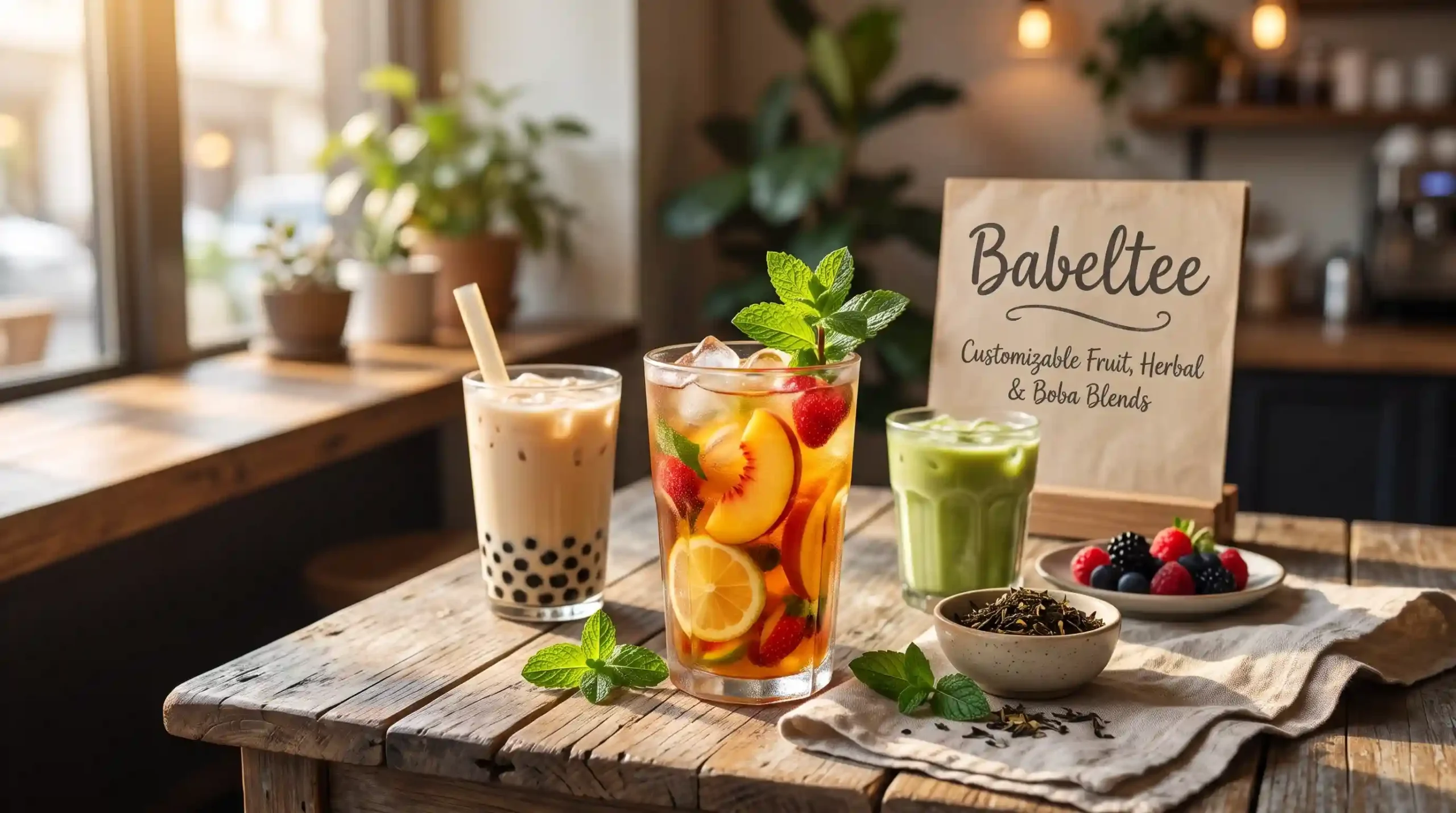
A babeltee style drink moves in the opposite direction. Rather than relying on powdered creamers, heavy syrups, or chewy toppings, it focuses on clarity, aroma, and fresh produce. A typical glass uses lightly brewed green, white, or herbal tea poured over ice with sliced peaches, strawberries, cucumber ribbons, or fresh mint leaves. As Nuvora Magazine highlighted in its look at personalized tea trends, the appeal comes from total control over sweetness and caffeine without needing specialty boba supplies in your pantry.
Practical Advice for US Café Goers and Online Shoppers
If you want to try this style of drink or you stumbled across the name while shopping online, a few practical habits will save you both money and frustration.
-
Do not order a babeltee by name at an American coffee shop or boba counter. If you walk up to a barista in New York, Chicago, or Los Angeles and ask for a babeltee, they will almost certainly assume you mispronounced bubble tea. To get that lighter fruit and herb profile, ask for an unsweetened iced jasmine green tea or oolong tea shaken with fresh lemon, strawberries, and mint, and tell them to skip the tapioca pearls.
-
Treat any online store using the babeltee name with healthy skepticism. Because no single business holds a registered trademark on the word, independent sellers can launch quick print on demand clothing shops or novelty pages under that title. Before buying anything from an unfamiliar domain, follow the verification steps outlined in Facebim’s guide to researching unfamiliar platforms. Look for a physical street address, read the return policy carefully, search for independent customer reviews outside the website itself, and always pay with a credit card that offers strong fraud protection.
-
Watch your water temperature if you make a fruit and herb tea at home. The biggest mistake beginners make when brewing custom iced tea is pouring boiling water directly over green or white tea leaves. Boiling water scorches delicate leaves and releases harsh tannins, leaving you with a bitter cup that forces you to dump in extra honey or sugar. Heat your water to roughly 170 degrees Fahrenheit for green tea, steep the leaves for no more than three minutes, and remove them promptly.
-
Bruise your herbs gently instead of chopping them. When adding fresh mint, basil, or lemon verbena to your glass, place the leaves in your palm and give them a light clap, or press them gently against the inside of the pitcher with a wooden spoon. Chopping herbs with a sharp knife shreds the plant cells and releases grassy, bitter flavors into the tea, whereas gentle pressure releases only the fragrant essential oils.
Common Questions About Babeltee
Is babeltee healthier than regular bubble tea? When prepared at home with unsweetened brewed tea, fresh fruit, and herbs, a babeltee style drink contains far fewer calories and much less added sugar than a standard milk tea with tapioca pearls. However, bottled versions or café drinks sweetened with heavy syrups can still pack plenty of sugar, so always check the ingredients first.
Does a babeltee drink contain caffeine? That depends entirely on the tea base you choose. Drinks built on black, green, white, or oolong tea naturally contain caffeine, though usually less than a cup of drip coffee. If you want an evening drink with zero caffeine, use hibiscus, peppermint, chamomile, or rooibos as your base instead.
Can you serve a babeltee style blend hot? Yes. While most social media photos show tall glasses filled with ice and colorful fruit slices, the same flavor pairings work well in a warm mug. Black tea steeped with orange peel, fresh ginger, and a cinnamon stick makes a warming cold weather drink without any artificial flavoring.
What do you feel about this post?

Like

Love

Happy

Haha

Sad

Angry

I am an independent writer and digital researcher tracking everyday trends, tech shifts, and modern culture across the US. I focus on cutting through internet noise to bring you crisp, honest stories and practical takeaways you can actually use.