Tesla Is Winding Down Cybertruck Production in 2027 to Make Room for Cybercab
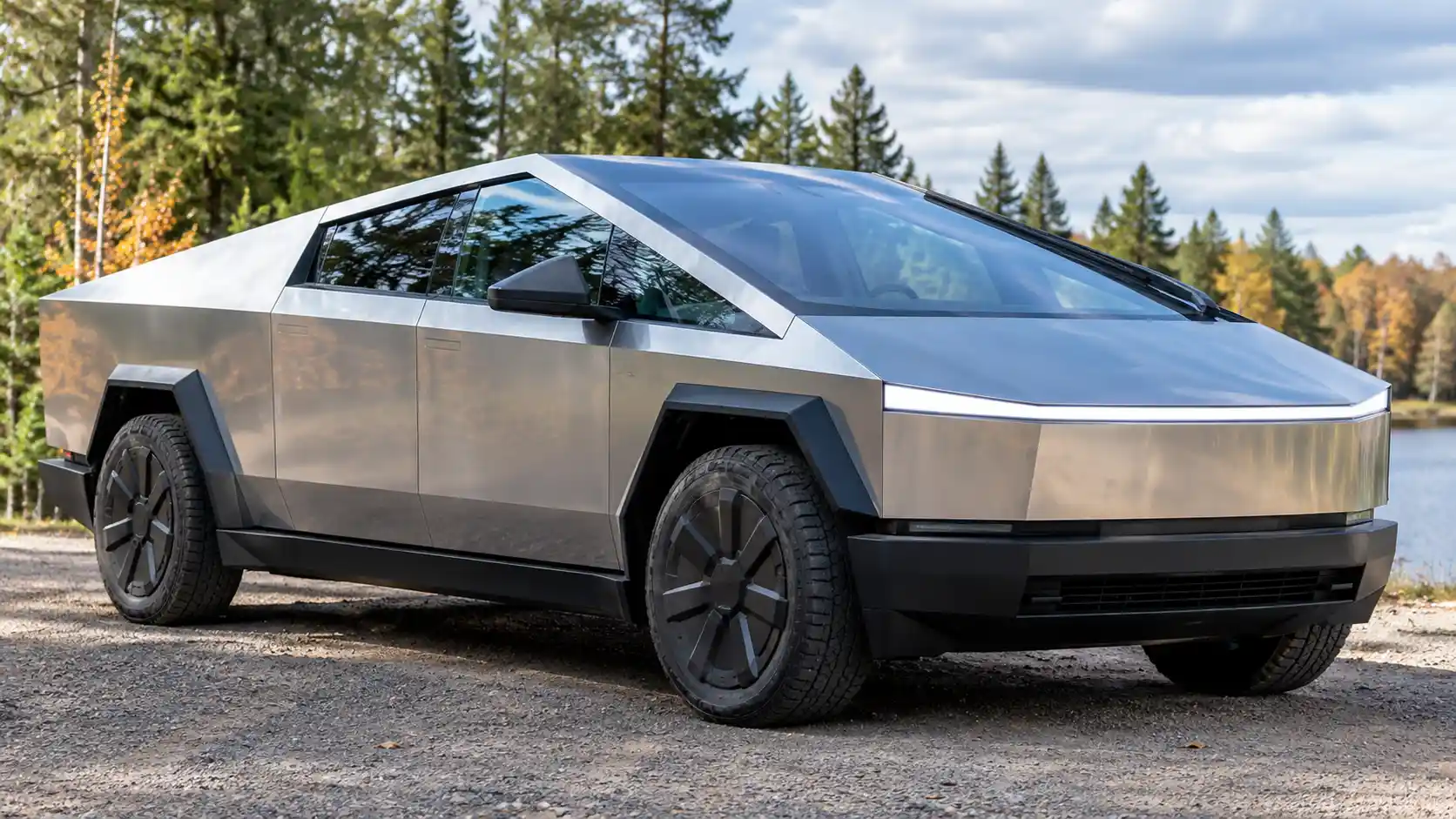
The angular stainless steel pickup truck that once promised to reinvent American utility vehicles is officially heading toward the exit. On Friday, November 6, 2026, Tesla CEO Elon Musk announced on X that the company will wind down Cybertruck production at Gigafactory Texas around the middle of 2027. According to CBS News coverage of the announcement, Tesla is clearing out that assembly footprint to expand manufacturing for its self driving Cybercab robotaxi.
For a truck that originally racked up more than a million reservations after its 2019 reveal, the timeline is startlingly short. Commercial deliveries only began in late 2023, meaning the pickup will wrap up its primary Texas factory run less than four years after hitting public roads.
Musk wrote in his Friday statement that “Tesla will be winding down production of the Cybertruck at Gigafactory Texas around the middle of next year to make room for increased Cybercab production”. Because the Austin facility is the only plant in the world stamped and tooled to build the truck’s thick steel exterior panels, winding down the Texas line effectively marks the end of mass production.
Why Tesla Is Pulling the Plug After Just Three Years
When you look past the futuristic styling and look directly at the factory math, the decision makes cold financial sense. Before the truck launched, Musk projected that Tesla would eventually build and sell 250,000 Cybertrucks every single year. Real buyer demand never came close to that target. As noted in an Electrek report on stalling Cybertruck sales, annual volume settled at roughly 10 percent of the original plan. Cumulative sales across all active markets, including the United States, Canada, Mexico, South Korea, the United Arab Emirates, Qatar, and Saudi Arabia, sit at just over 63,000 units.
Factory floor space is one of the most expensive assets an automaker owns. Keeping a massive stamping, welding, and battery assembly line running at a fraction of its intended capacity drains money on every shift. At the same time, Tesla has spent 2026 aggressively trimming low volume passenger models to focus on autonomy. As reported by Morningstar and Dow Jones, this move comes just seven months after Tesla retired its older flagship luxury vehicles, the Model S sedan and Model X SUV, earlier this year.
By reclaiming the Cybertruck bays inside Gigafactory Texas, Tesla avoids building a brand new building for the two passenger Cybercab. Early Cybercab assembly has already started on the Texas line for Tesla’s internal robotaxi fleet, and executives want that floor space ready for high volume output by the summer of 2027.
How Price Swings and Lineup Changes Reshaped the 2026 Truck
A big reason sales hit a wall comes down to price and broken early promises. Back in 2019, buyers were told to expect a starting price near $39,900. When the truck actually arrived, early Foundation Series builds regularly pushed past $100,000. Once the initial wave of diehard fans and celebrity buyers got their trucks, everyday pickup shoppers balked at the sticker price.
Tesla spent the past year and a half trying different trim combinations to bring buyers back into showrooms. In 2025, the company briefly introduced a cheaper single motor rear wheel drive model, only to cancel it after a few months when shoppers realized how many features had been stripped out. Earlier in 2026, Tesla restructured the entire catalog again, slashing the top Cyberbeast price by $15,000 from $114,990 down to $99,990 and introducing a stripped down entry model.
According to a detailed GetTesla breakdown of the 2026 Cybertruck lineup, buyers ordering before the 2027 cutoff have three distinct configurations to choose from:
| 2026 Trim Level | Starting MSRP | Suspension System | Interior & Audio Setup | Best Fit For Buyers |
| Dual Motor AWD | $69,990 | Adaptive coil damping | Cloth seats, 7 speakers, no rear screen | Budget focused shoppers who want the steel body and basic all wheel traction |
| Premium AWD | $79,990 | Adjustable air suspension | Ventilated seats, 15 speakers, rear display | Everyday truck drivers who want the full 11,000 pound tow rating and comfort |
| Cyberbeast AWD | $99,990 | Adjustable air suspension | Full premium cabin with tri motor drivetrain | Performance fans willing to pay $20,000 extra purely for supercar acceleration |
If you are thinking about placing an order before the order books close next year, the $10,000 jump from the base Dual Motor AWD to the Premium AWD is worth every penny. To hit that $69,990 entry price (which lands near $71,985 after destination fees), Tesla removed the adjustable air suspension, dropped down to 18 inch wheels, swapped in basic cloth seating, deleted the rear passenger touchscreen, and cut the audio system from 15 speakers down to 7. Without air suspension, you lose the ability to raise the truck for deep ruts or lower it for easier bed loading.
Real World Ownership Friction: Recalls and 2026 Build Quirks
Beyond the price tag, the Cybertruck has been dogged by quality control headaches that made traditional Ford and Chevy truck owners hesitant to switch. Building a vehicle out of thick, unpainted stainless steel with a massive curved windshield created manufacturing problems that Tesla was still ironing out well into 2026.
If you currently own a 2024 through 2026 model, or if you plan to buy a used one after production ends, there are two specific hardware issues you need to check right away.
First is a serious mechanical recall affecting trucks fitted with the base 18 inch steel wheels. According to Cars.com recall records for the 2026 Cybertruck, NHTSA Recall 26V255000 (issued in April 2026) warns that the brake rotor stud holes on these trucks can crack under stress. If a stud separates from the wheel hub while driving, the driver can lose control of the truck. Unlike previous issues like overly bright front parking lights (Recall 25V699000), which Tesla fixed with a free over the air software update, cracked rotor stud holes require a physical shop visit where Tesla service technicians replace the front and rear brake rotors, hubs, and lug nuts at no cost.
Second is a frustrating optical defect that owners of newer 2026 builds have been documenting over the past month. As detailed in a Torque News report on 2026 Cybertruck windshield distortion, dozens of Reddit owners noticed that the huge front glass on recent builds looks wavy or warped at certain viewing angles. One owner who brought his truck into a service center reported inspecting six separate lower trim 2026 trucks on the lot and finding the exact same ripple effect in all six windshields, whereas an older 2024 build sitting nearby had crystal clear glass.
You can test for this yourself in thirty seconds before accepting delivery or buying a secondhand truck. Park about 20 feet behind another car and look at its bumper through the bottom right section of the Cybertruck windshield. Slowly bob your head up and down a few inches while keeping your eyes locked on the parked car. You can also roll both side windows down, stand outside next to the side mirror, and look diagonally across the glass toward the opposite corner.
If straight body lines bend like a funhouse mirror right in your primary line of sight, ask Tesla Service to replace the glass under warranty before you add any aftermarket window tint. Service centers often blame third party tint shops if you report glass waviness after having film installed.
What Happens to Current Owners, Parts, and Service After Mid 2027?
Whenever an automaker cancels a unique vehicle with almost zero shared body panels, the first worry for existing owners is getting stranded without replacement parts after a fender bender. A shattered headlight or dented stainless quarter panel on a Cybertruck cannot be fixed with generic parts from a local auto store, and it shares very little exterior hardware with the Model 3 or Model Y.
Recognizing that panic was building online Friday morning, Cybertruck lead engineer Wes Morrill stepped in to reassure drivers. As reported by MarketScale’s coverage of the Texas factory transition, Morrill confirmed that Tesla will continue to manufacture and stock spare parts and provide full service support for all Cybertrucks already on the road.
Federal rules and warranty obligations require automakers to keep replacement components flowing for years after a vehicle leaves production. Because the truck relies heavily on software controls, steer by wire actuators, and structural battery packs, Tesla service centers will remain the primary repair hub. However, body shop wait times for stamped stainless steel doors and fenders could stretch out once the primary Texas stamping presses stop running daily production batches in mid 2027.
For the used market, the mid 2027 cutoff splits the Cybertruck’s future into two very different paths. In the short term, dealers and private sellers holding high mileage 2024 and 2025 Dual Motor trucks may see trade in values soften as nervous owners swap into standard electric pickups or SUVs.
Over the longer haul, capping total worldwide supply near 70,000 to 80,000 units turns clean, low mileage examples (especially the tri motor Cyberbeast) into rare modern collectibles. Whether you love the bare metal triangle or laugh when one rolls past at a stoplight, we are officially in the final year of watching brand new ones roll out of Austin.
What do you feel about this post?

Like

Love

Happy

Haha

Sad

Angry

I am an independent writer and digital researcher tracking everyday trends, tech shifts, and modern culture across the US. I focus on cutting through internet noise to bring you crisp, honest stories and practical takeaways you can actually use.